A big jump in earnings allowed Telstra to give its more than one million shareholders gifts of a higher half year dividend and an increase in the telcos share buyback scheme. The group’s strong growth in its mobile business continues. It has been able to increase revenue per user on postpaid plans by five per cent, and on pre-paid plans by 14pc. So, if you think the cost of your Telstra mobile went up last year, it probably did. Meanwhile, Australia’s biggest conglomerate, Wesfarmers, posted a rise in sales and profit. But the owner of Bunnings, Kmart, Target and Officeworks warned that the heat was coming out of consumer spending, and that helped send its share price down 5.5 per cent.
The S&P/ASX200 hit a record high yesterday on one of the busiest days of the earnings calendar. The bourse hit 9118 points around lunchtime, before closing up almost one per cent to 9086 points.
A stronger than expected labour force report from the ABS yesterday has kept the pressure on the Reserve Bank to lift interest rates. The unemployment rate stayed at a relatively low 4.1 per cent last month after 50,000 people found full-time work, while 33,000 part-time workers lost their jobs.
Buy-now-pay-later group Zip Co takes out the prize for the biggest share price fall after an earnings announcement. It dropped 40 per cent after it missed its profit forecast, disappointed with its guidance and said doubtful debts were rising. By the close it was down 34 per cent.
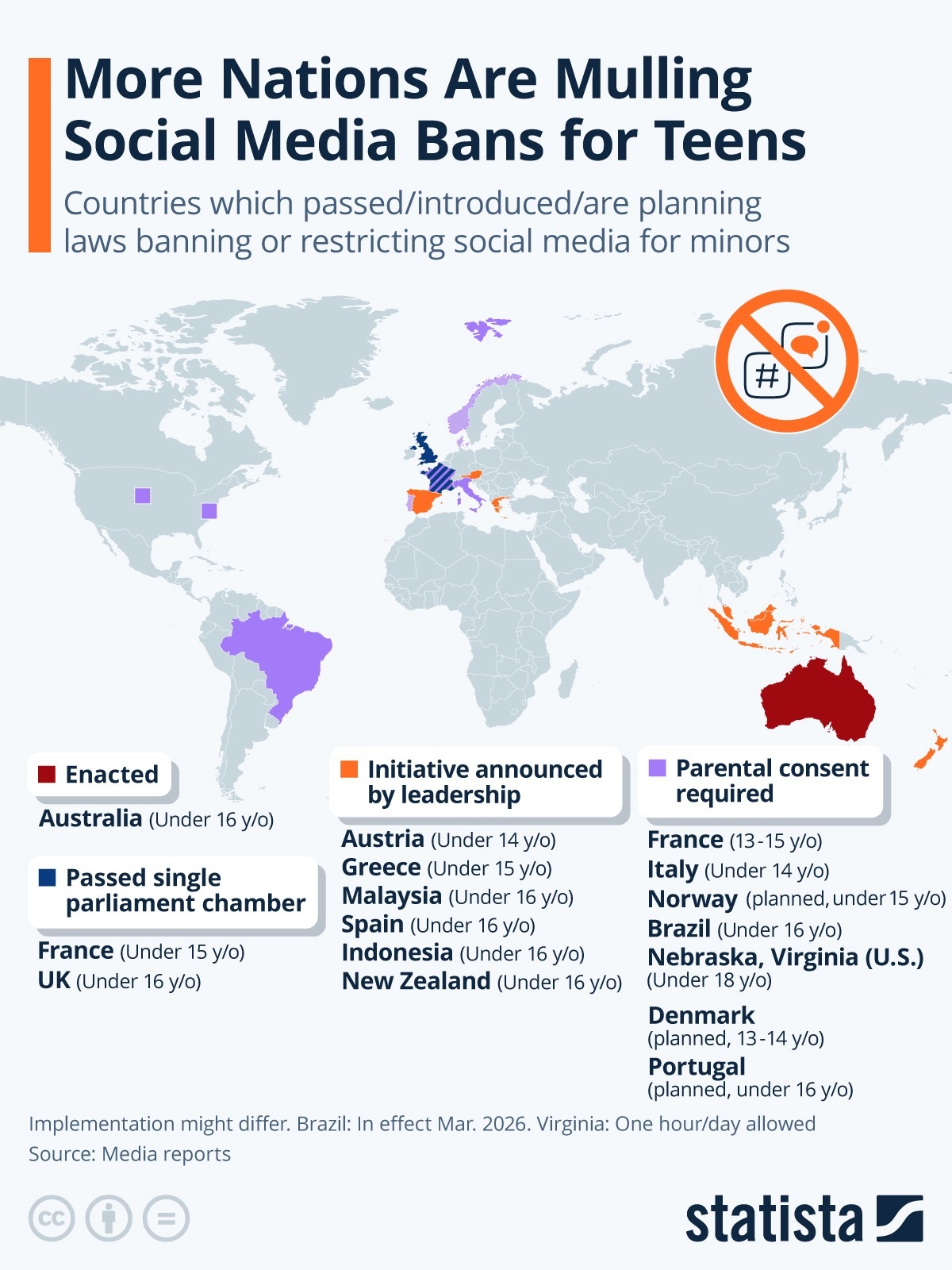
The chief executive of Meta, Mark Zuckerberg, yesterday testified that it’s “very difficult” to enforce Instagram’s age limits and downplayed how much teen users do for the company’s bottom line, during a landmark trial over social media addiction.
The “supersized” servings that have long defined American dining are shrinking as rising costs and the growing use of weight-loss drugs prompt restaurateurs to offer smaller portions.
Fear-o-meter
It was a very big day for earnings results with six top 20 companies reporting, including Wesfarmers, Telstra, Rio Tinto, Brambles, Transurban and Goodman Group.
Most notable was Wesfarmers after chief executive Rob Scott said there had been some weakness in consumer spending, particularly in low income areas.
But my favourite result of the day was Zip Co. After disappointing in terms of earnings, guidance and bad debts, its share price tumbled 40 per cent, doing even worse than other laggards this reporting season, such as Nick Scali, Pro Medicus and Temple & Webster.
CEO Cynthia Scott said Zip is a high growth, efficient and sustainably profitable business, using AI to improve customer engagement. Investors had already heard that news.
One of the big question markets have over buy-now-pay-later providers has always been whether people would repay. Bad debts levels in the US rose to 1.84pc, in part due to its new pay-in-eight instalment product.
The moral of this story – companies can’t afford to disappoint investors during earnings season.
Fear & Greed Q+A today
On the company's half-year results, including the performance of Bunnings and Kmart, and the future of Target:
“From a financial point of view, Target is performing really well now. It is a much smaller part of the Kmart Group, and Kmart is unquestionably the star performer. But as a result of the restructuring we did, Target is now a smaller but far more profitable business. Target actually compares very favourably in profit terms to many other retail businesses.
Kmart is lowest price, largely owned brand, Anko. Target resonates more in slightly more affluent postcodes and areas.
It’s hard for Target to compete with Kmart at the absolute lowest price point, but in apparel and soft home — higher quality, more style — Target performs well. We’re still generating earnings. We’re still optimistic. But you’re correct — it’s a much smaller part of the portfolio than it was.”